

AI for prediction
Predicting is not the same as understanding. Artificial intelligence learns from data to anticipate events, choices or behaviour, based on correlations rather than causes. From everyday uses to recommendation systems, this section explores how these predictions shape our decisions, between promises of efficiency, technical limits and ethical issues.




Learning
Learning
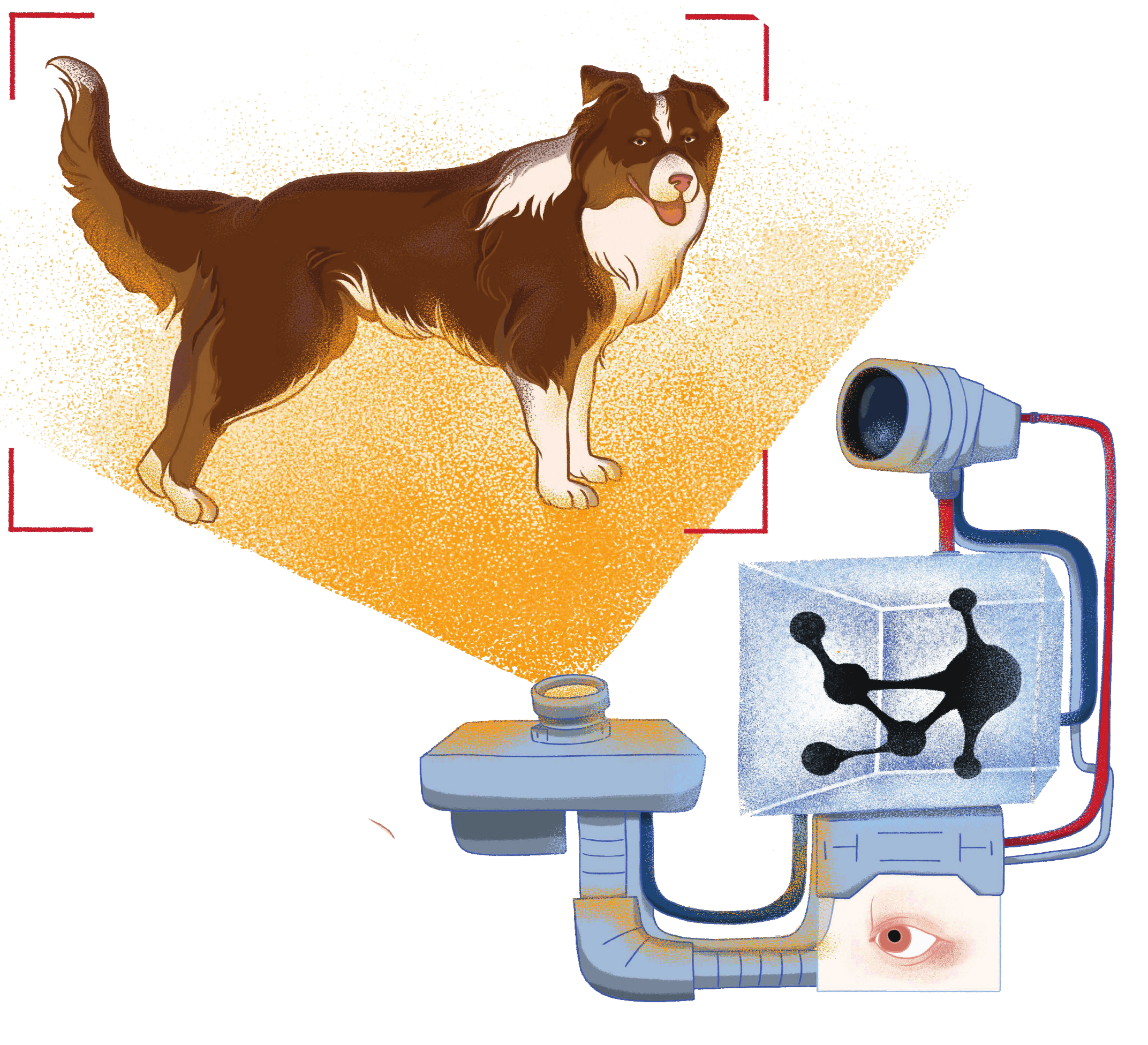
Automatic learning (machine learning) is a sub-field of AI that explores the construction and study of algorithms that enable machines to learn and acquire knowledge from past data, through examples or experience.
The preferred method for making predictions is supervised learning.
The data supplied to the machine includes a descriptive part: for example, images of dogs are labelled "dog".
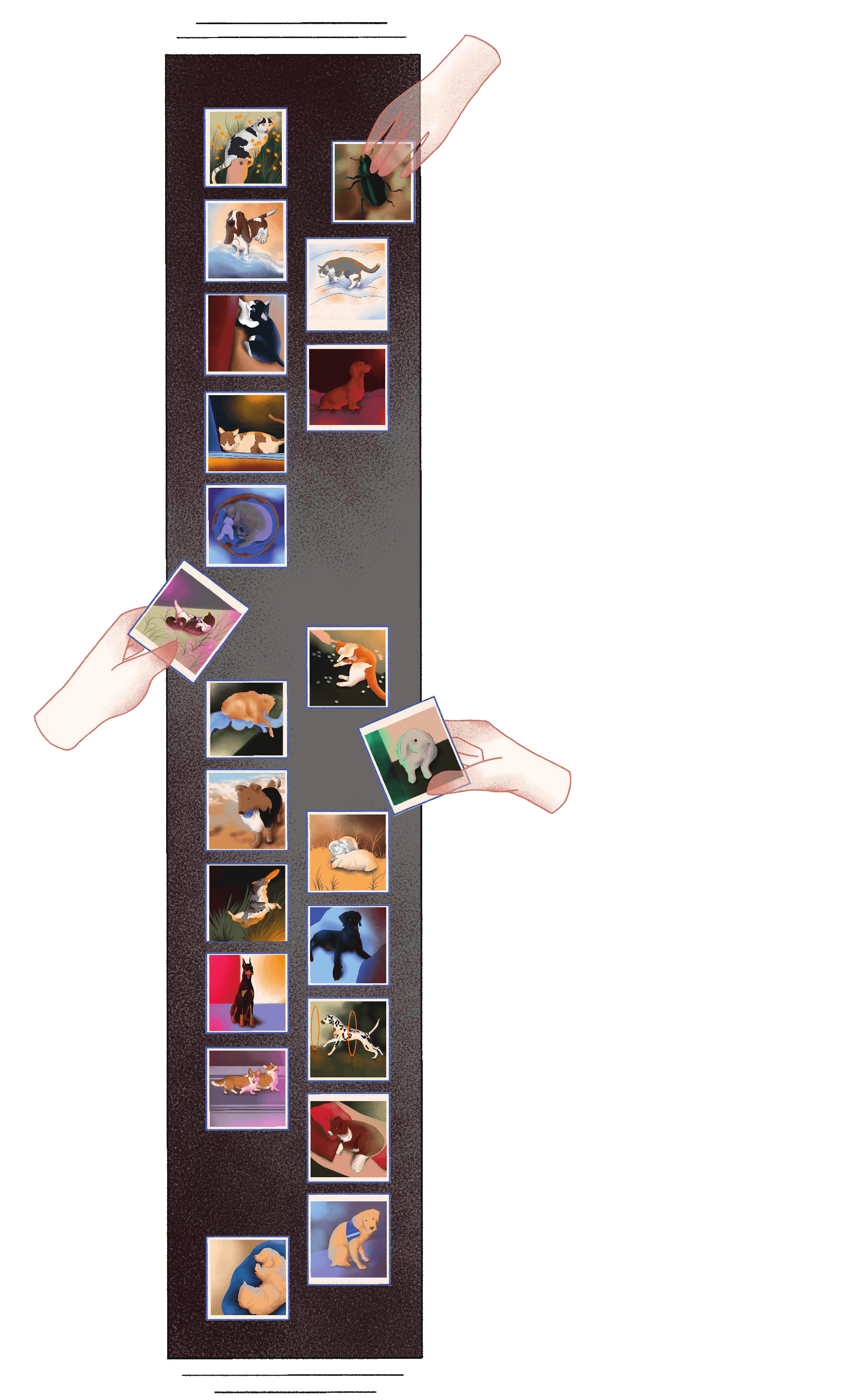
The machine will match all the data in the same set and generalize what she has learnt to recognise dogs in new images that she has never seen before.
To make an AI model as robust as possible, several types of learning are combined, such as reinforcement learning which aims to 'punish' or 'reward' the AI model according to the relevance of its response.
These predictive models are part of our daily lives. Whether on social networks, in the medical or banking sectors, for weather predictions or even for autonomous navigation, they are becoming increasingly widespread.
One of the greatest prediction feats is AlphaFold 2 (Google DeepMind).
In 2020, this AI model was able to predict the 3D shape of more than 200 million proteins a problem that had resisted biologists for 50 years, and which was awarded the Nobel Prize for Chemistry in 2024! This breakthrough has proven useful in designing effective treatments for certain diseases.